Communities in Schools

Cybersecurity Camp

The Details

Program Goal

Help introduce high school students to cybersecurity

Participant Break Down

20 underserved participants from community schools in North Carolina

Maniam Palanivelu

Director of Customer Success Operations at Netscout
- Anti-Cheat
- Cryptography
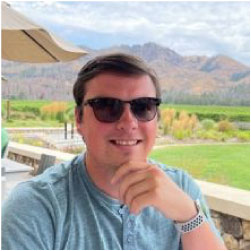
Mike Schiller

Software Quality Engineer II at Netscout
- Cyber Ethics
- CIA triad

Brian Bonner

Sales Engineer at Netscout
- Application security
- Presentation prep
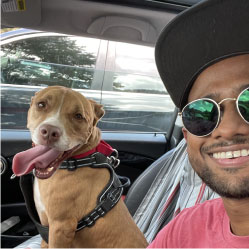
Brian Bonner

Software Engineer at Netscout
- Application security
- Presentation prep

Ansh Gupta

Adwit Aggarwal

Maniam and Deepesh served as judges for our final competition as well as Alan Saqui, Research Technology Integration Engineer at Netscout, who served as a guest judge.

Camp Overview

1

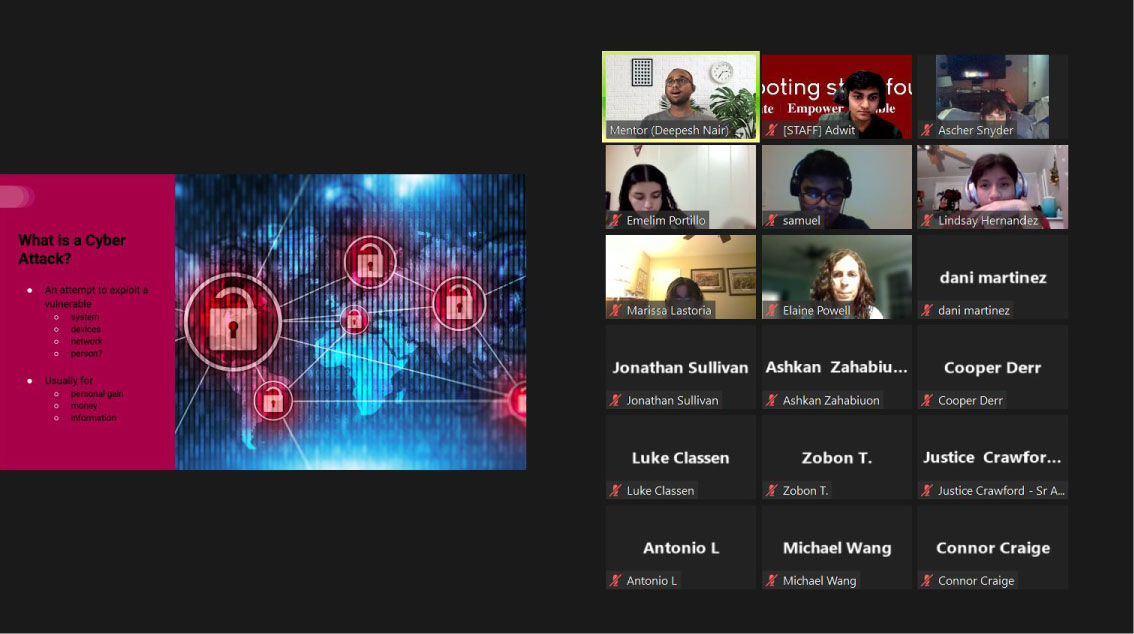
Introductions, ice breakers, and intro to cybersecurity

2

Introduction to Anticheat

3

Social Engineering Attacks

4

Cyber Threats

5

Cyber Ethics

6

Application and Network Security

7

Project day

8

Project day

9

Showcase day!

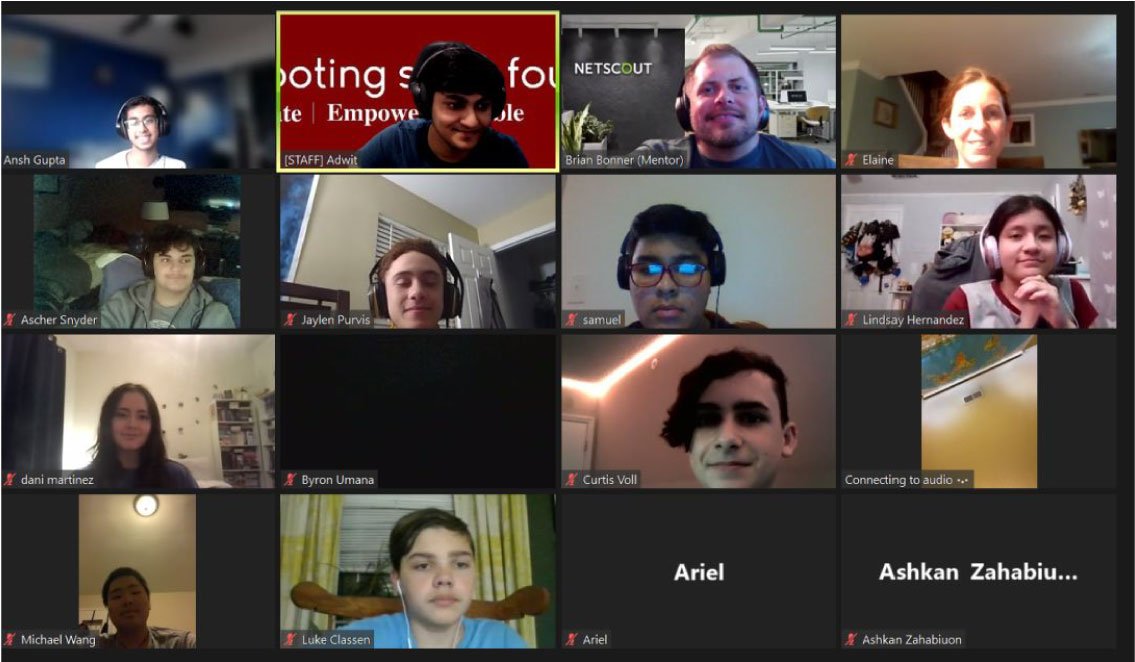
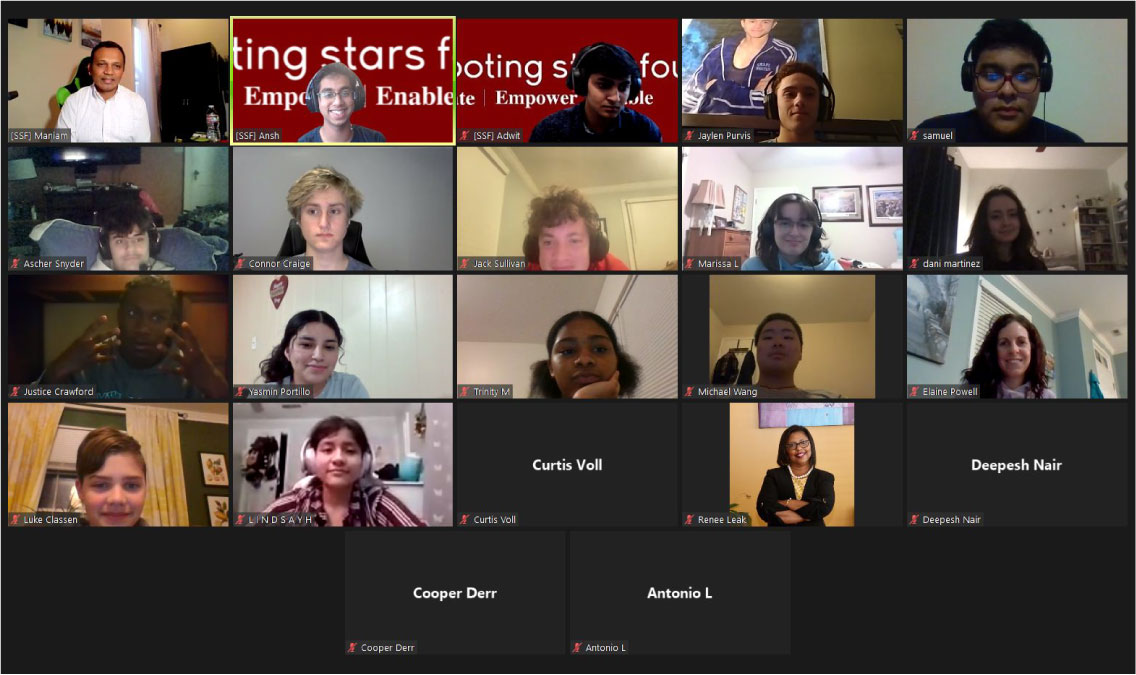
Students in Action

Winning Presentations

1

Our first place team consisting of Michael, Byron, and Ascher made a cipher titled IEM or irrational encryption method. They came up with an encryption method that involved using a different cipher each day which was based on the date of that day.
They took the square root of the day in order to get an irrational number. Each digit in the irrational number was then used as the number to shift the letter in that position.

2

Our second-place team consisting of Antonio, Marissa, and Connor made a cipher titled the CAM cipher. Their encryption method was coded in python and involved the usage of random integers. In doing this, they made it so that each time the cipher was used, it would encrypt differently based on the random number selected. Knowing these random numbers would be the only way to then later decrypt the message!

3

We also had a prize for the cyber breach category and this one went to Daniela and Lindsay! The cyber breach they decided to cover was the 2013 Target Data Breach. They were well articulated and covered all aspects of the breach, going into detail about how it happened and how it could have been prevented. Additionally, during their presentation, they showed a great understanding of the concepts and fundamentals that we covered during the camp.

Outcomes

Students worked together to create a cyberdefense from start to finish

Students pitched their projects to professional mentors and competed for first and second place

More than $600 distributed to participants in rewards and incentives

Students leave camp with a finished product, ready to be showcased in a college application or job interview

Certificates and winners announced and received certificates and prizes

All students reported a dramatic increase in their understanding of and their comfort with cybersecurity ideas and processes after the camp

Survey Results
100% of participants reported their understanding of cybersecurity and security breaches increased drastically
100% of students reported that they enjoyed this camp and would recommend this camp to their friends
Peer and professional mentor feedback was overwhelmingly positive
When asked if they would participate in a future SSF program, all responses were favorable!
Feedback
“I enjoyed working with friends to complete a challenge and learning about different hacks and breaches”
 
Jack Sullivan
Participant
“It was a pleasure watching all the participants grow their tech skills in the classes and expressing their creativity through their presentations!”
 
Ansh Gupta
Peer Mentor
“I learned how to present understandably and fluently and I learned to think critically. I loved all of the activities like the Kahoots!”
 
Ariel Vera
Participant
“It was great to interact with this group of students who stayed engaged through the camp. I also enjoyed the projects from the teams who developed their own cipher code and also presented some data breach case studies.”
 
Mani Palanivelu
Professional Mentor and Judge

Thank You Organizers!